Electrotherapy For Pain Relief is a trusted treatment option that helps reduce discomfort, improve mobility, and support the body's natural healing process. Whether you're recovering from an injury, dealing with chronic pain, or managing muscle stiffness, electrotherapy can be an effective part of a personalized rehabilitation plan. By using controlled electrical impulses, this therapy stimulates muscles and nerves, helping reduce inflammation, ease tension, and promote faster recovery without surgery.
What Is Electrotherapy For Pain Relief?
Electrotherapy For Pain Relief is a non-invasive treatment that uses low-level electrical currents to stimulate muscles, nerves, and soft tissues. It is commonly used by physiotherapists and rehabilitation professionals to help manage pain, improve circulation, and restore normal muscle function.
The therapy can be tailored to different conditions and individual needs, making it suitable for people recovering from injuries, surgeries, or long-term musculoskeletal conditions.
How Electrotherapy Works
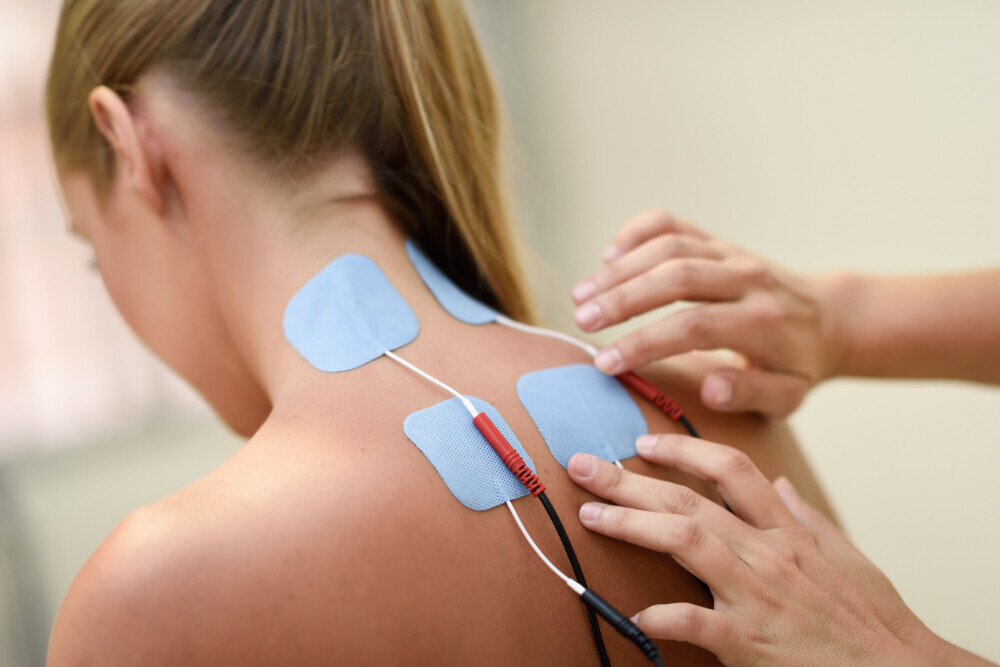
Electrotherapy works by sending gentle electrical impulses through electrodes placed on the skin. These impulses interact with the body's nervous system and muscles in several beneficial ways.
Some of the primary effects include:
- Blocking pain signals before they reach the brain
- Stimulating the release of natural pain-relieving chemicals called endorphins
- Improving blood circulation
- Reducing muscle spasms
- Promoting tissue healing
- Preventing muscle weakness during recovery
The intensity and frequency of the electrical stimulation are adjusted according to the patient's condition and treatment goals.
Types of Electrotherapy
Several forms of Electrotherapy For Pain Relief are used in rehabilitation and physiotherapy.
TENS (Transcutaneous Electrical Nerve Stimulation)
TENS is one of the most common forms of electrotherapy. It primarily targets pain relief by stimulating sensory nerves and reducing the perception of pain.
Common uses include:
- Neck pain
- Lower back pain
- Arthritis
- Joint pain
- Chronic pain conditions
NMES (Neuromuscular Electrical Stimulation)
NMES stimulates muscle contractions to improve strength and function. It is especially beneficial after surgery or prolonged immobilization.
Benefits include:
- Muscle strengthening
- Improved muscle activation
- Faster rehabilitation
- Reduced muscle atrophy
IFC (Interferential Current Therapy)
Interferential therapy uses medium-frequency electrical currents to penetrate deeper tissues.
It may help with:
- Deep muscle pain
- Sports injuries
- Joint inflammation
- Soft tissue injuries
Russian Stimulation
Russian stimulation focuses on improving muscle performance and rehabilitation.
It is commonly recommended for:
- Athletic recovery
- Post-operative rehabilitation
- Muscle strengthening programs
Conditions That May Benefit From Electrotherapy
Electrotherapy For Pain Relief is commonly used for a wide variety of musculoskeletal and neurological conditions.
These include:
- Back pain
- Neck pain
- Shoulder pain
- Knee pain
- Hip pain
- Sciatica
- Tendon injuries
- Ligament sprains
- Muscle strains
- Sports injuries
- Arthritis
- Plantar fasciitis
- Tennis elbow
- Frozen shoulder
- Post-surgical rehabilitation
Treatment plans are individualized depending on the diagnosis and recovery goals.
Benefits of Electrotherapy For Pain Relief
Many people choose Electrotherapy For Pain Relief because it offers several advantages over more invasive treatment options.
Natural Pain Management
Electrical stimulation encourages the body to produce natural pain-relieving chemicals while reducing pain signal transmission.
Faster Recovery
Improved circulation delivers oxygen and nutrients to damaged tissues, supporting faster healing.
Improved Muscle Function
Electrotherapy activates weak muscles and helps restore strength after injury or surgery.
Reduced Muscle Spasms
Gentle electrical stimulation relaxes tight muscles and reduces painful spasms.
Better Mobility
As pain decreases and muscles recover, patients often experience improved flexibility and movement.
Non-Invasive Treatment
No injections or surgical procedures are involved, making electrotherapy a comfortable treatment for many patients.
What to Expect During Treatment
An Electrotherapy For Pain Relief session is generally simple and comfortable.
A healthcare professional will:
- Assess your condition
- Place adhesive electrodes on the treatment area
- Select the appropriate electrical stimulation settings
- Monitor your comfort throughout the session
Most sessions last between 15 and 30 minutes, depending on the condition being treated.
Many patients describe the sensation as a gentle tingling or mild muscle contraction rather than pain.
Is Electrotherapy Safe?
When performed by qualified healthcare professionals, Electrotherapy For Pain Relief is considered safe for most individuals.
However, electrotherapy may not be appropriate for people who have:
- Pacemakers
- Certain heart conditions
- Active infections near the treatment site
- Pregnancy in specific treatment areas
- Certain neurological conditions
A proper assessment is essential before beginning treatment.
Combining Electrotherapy With Other Treatments
Electrotherapy often provides the best results when combined with a comprehensive rehabilitation program.
Your treatment plan may also include:
- Therapeutic exercises
- Manual therapy
- Stretching programs
- Posture correction
- Strength training
- Balance exercises
- Education on injury prevention
This integrated approach addresses both symptoms and the underlying cause of pain.
Who Can Benefit?
Electrotherapy For Pain Relief is suitable for many individuals, including:
- Office workers with repetitive strain injuries
- Athletes recovering from sports injuries
- Seniors experiencing joint pain
- Individuals with chronic musculoskeletal conditions
- Patients recovering after orthopedic surgery
- People managing long-term back or neck pain
A professional assessment helps determine whether electrotherapy is appropriate for your condition.
Tips to Maximize Results
To get the most from Electrotherapy For Pain Relief:
- Attend all scheduled treatment sessions
- Perform prescribed home exercises
- Stay physically active within your comfort level
- Maintain proper posture
- Follow recovery recommendations
- Communicate any changes in symptoms with your therapist
Consistency often leads to better long-term outcomes.
Frequently Asked Questions
Does Electrotherapy For Pain Relief hurt?
No. Most people experience only a mild tingling sensation or gentle muscle contractions during treatment.
How many sessions are needed?
The number of sessions depends on the severity of your condition, your overall health, and your rehabilitation goals.
Can electrotherapy replace exercise?
No. Electrotherapy works best alongside therapeutic exercises and other rehabilitation techniques rather than replacing them.
Is Electrotherapy For Pain Relief suitable for chronic pain?
Yes. It is commonly used as part of a long-term pain management strategy for chronic musculoskeletal conditions.
Are there any side effects?
Side effects are generally minimal. Some individuals may experience temporary skin redness where the electrodes were placed.
Conclusion
Electrotherapy For Pain Relief is an effective, non-invasive treatment that supports pain reduction, muscle recovery, and improved physical function. By stimulating nerves and muscles with carefully controlled electrical impulses, it can help accelerate healing and enhance rehabilitation for a wide range of conditions. When combined with therapeutic exercise, manual therapy, and a personalized recovery plan, electrotherapy can play an important role in helping individuals regain mobility, reduce discomfort, and return to their daily activities with greater confidence.
Michael Barzo
Contact Me