Gentle Soft Tissue Treatments are a trusted, non-invasive approach to easing muscle pain, improving flexibility, and supporting the body's natural healing process. Whether you're recovering from an injury, dealing with chronic tension, or looking to improve your mobility, these hands-on therapies can help reduce discomfort while restoring normal movement. Many people choose Gentle Soft Tissue Treatments because they are personalized, safe, and suitable for a wide range of conditions without relying on aggressive techniques.
What Are Gentle Soft Tissue Treatments?
Gentle Soft Tissue Treatments are manual therapy techniques designed to treat muscles, tendons, ligaments, fascia, and connective tissues. Rather than applying forceful pressure, therapists use controlled, gentle movements to improve circulation, release tight muscles, and reduce inflammation.
These treatments focus on identifying the root cause of pain instead of only managing symptoms. They help improve tissue health, restore flexibility, and encourage the body's natural recovery process.
How Gentle Soft Tissue Treatments Work
When soft tissues become tight, inflamed, or injured, they can restrict movement and cause pain throughout the body. Gentle manual techniques help by:
- Increasing blood circulation
- Improving oxygen delivery to tissues
- Reducing muscle tension
- Restoring normal movement patterns
- Encouraging lymphatic drainage
- Supporting tissue repair
- Decreasing stiffness
The gentle approach allows tissues to relax naturally without causing unnecessary discomfort.
Conditions That Benefit from Gentle Soft Tissue Treatments
Many musculoskeletal conditions respond well to Gentle Soft Tissue Treatments, including:
Neck Pain
Poor posture, stress, and prolonged computer use often create muscle tightness in the neck. Gentle therapy helps relax muscles and improve mobility.
Back Pain
Soft tissue therapy reduces muscle spasms and improves flexibility around the spine, supporting long-term pain relief.
Shoulder Tension
Restricted shoulder muscles can limit everyday activities. Gentle treatment helps restore range of motion while reducing discomfort.
Sports Injuries
Athletes often experience muscle strains and overuse injuries. Gentle Soft Tissue Treatments promote recovery while helping maintain flexibility.
Chronic Muscle Tightness
Persistent muscle tension caused by stress or repetitive movements can be relieved through regular manual therapy sessions.
Joint Stiffness
Healthy muscles and connective tissues support proper joint movement. Gentle techniques improve mobility without placing excess stress on the joints.
Common Gentle Soft Tissue Treatment Techniques
Therapists may use different techniques depending on your condition.
Myofascial Release
This technique focuses on releasing restrictions within the fascia, the connective tissue surrounding muscles.
Trigger Point Therapy
Gentle pressure is applied to sensitive muscle knots that contribute to pain and limited movement.
Muscle Energy Techniques
Patients actively participate through controlled movements that help lengthen tight muscles and improve joint mobility.
Gentle Massage Therapy
Slow, controlled massage improves circulation while reducing muscle tension and promoting relaxation.
Stretching Techniques
Guided stretching restores flexibility and helps prevent future injuries.
Benefits of Gentle Soft Tissue Treatments
People often experience multiple health benefits, including:
- Reduced muscle pain
- Better flexibility
- Improved posture
- Increased range of motion
- Faster injury recovery
- Better circulation
- Reduced stress
- Improved physical performance
- Less muscle stiffness
- Enhanced daily movement
Because the techniques are gentle, most individuals tolerate treatment very well.
What Happens During a Treatment Session?
A therapist begins by evaluating your posture, movement patterns, and symptoms. They identify areas of tension and develop a personalized treatment plan.
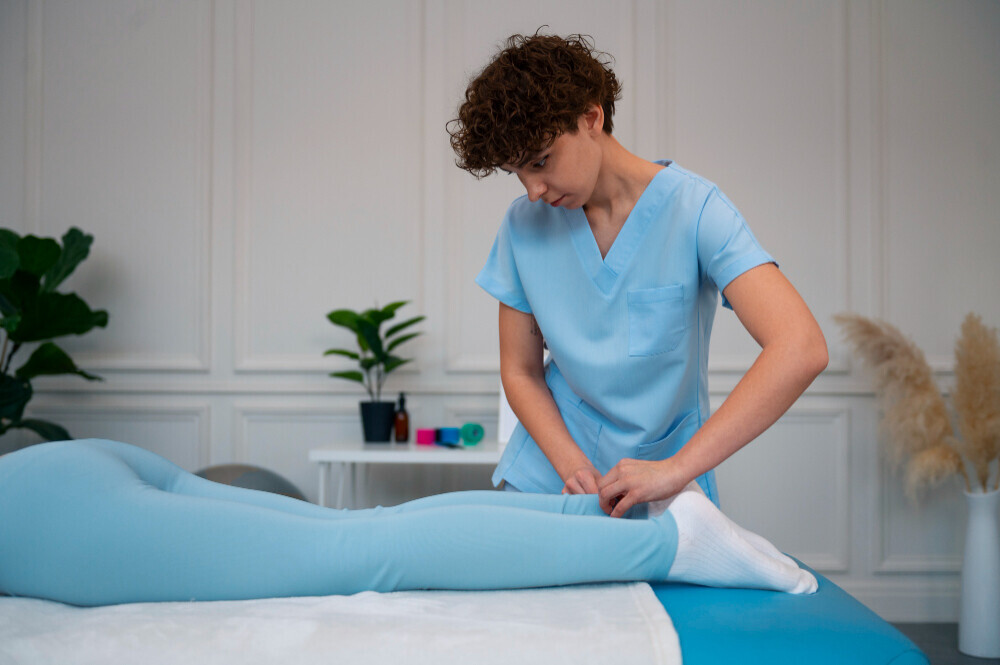
During the session, gentle hands-on techniques are applied to affected muscles and connective tissues. The pressure remains comfortable while encouraging relaxation and improved tissue mobility.
Most sessions conclude with movement recommendations or stretching exercises to support ongoing recovery.
Who Can Benefit from Gentle Soft Tissue Treatments?
These treatments are suitable for many individuals, including:
- Office workers
- Athletes
- Seniors
- Individuals recovering from injury
- People with chronic muscle pain
- Those experiencing posture-related discomfort
- Active adults seeking injury prevention
Treatment plans are always adjusted to meet individual needs and comfort levels.
Gentle Soft Tissue Treatments and Injury Recovery
Recovery from injuries often requires more than rest alone. Scar tissue, muscle guarding, and limited movement can delay healing.
Gentle Soft Tissue Treatments help by:
- Improving tissue flexibility
- Reducing protective muscle tension
- Encouraging healthy movement
- Supporting circulation
- Promoting tissue repair
Combined with therapeutic exercise, these treatments often contribute to better long-term outcomes.
Improving Daily Function
Pain and stiffness can affect simple activities like walking, lifting, driving, or working at a computer. Gentle therapy helps restore comfortable movement so daily tasks become easier.
Many individuals also notice improved sleep quality because reduced muscle tension allows the body to relax more effectively.
Supporting Long-Term Wellness
Regular Gentle Soft Tissue Treatments are not only helpful during recovery but also for maintaining overall physical health.
Routine care may help:
- Prevent recurring muscle tension
- Improve flexibility
- Support better posture
- Enhance physical performance
- Reduce stress-related muscle tightness
- Maintain healthy movement patterns
Preventive care often reduces the likelihood of future injuries.
Complementary Therapies
Gentle Soft Tissue Treatments may be combined with other rehabilitation approaches, including:
- Physiotherapy
- Therapeutic exercise
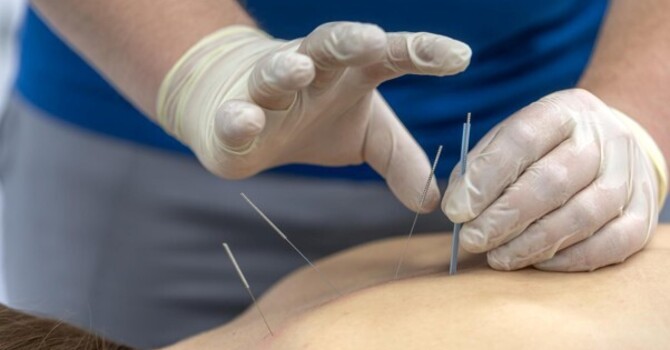
- Acupuncture
- Stretching programs
- Posture correction
- Strength training
- Mobility exercises
An integrated treatment plan addresses both symptoms and underlying movement issues.
Tips to Maximize Treatment Results
To get the most from Gentle Soft Tissue Treatments:
- Stay hydrated
- Perform recommended stretches
- Maintain good posture
- Stay physically active
- Follow your therapist's advice
- Avoid prolonged sitting
- Practice regular movement breaks
Consistency often produces the best long-term improvements.
Why Choose Gentle Soft Tissue Treatments?
Many people appreciate these treatments because they focus on comfort while delivering meaningful improvements in mobility and pain relief. Instead of relying on forceful manipulation, the therapy works with the body's natural healing mechanisms.
Whether you're recovering from an injury, managing chronic discomfort, or simply looking to move more comfortably, Gentle Soft Tissue Treatments provide a safe and effective option for improving overall musculoskeletal health.
Conclusion
Gentle Soft Tissue Treatments offer a proven, non-invasive way to reduce muscle tension, improve flexibility, and support long-term recovery. By improving circulation, restoring healthy movement, and encouraging natural healing, these treatments help individuals return to their daily activities with greater comfort and confidence. Whether used alone or alongside other rehabilitation therapies, Gentle Soft Tissue Treatments remain an effective solution for promoting lasting mobility, pain relief, and overall physical well-being.
Michael Barzo
Contact Me