Neurofunctional Medical Acupuncture is becoming a trusted treatment option for people seeking natural pain management and improved physical function. Unlike traditional acupuncture that is based on ancient Chinese medicine concepts, Neurofunctional Medical Acupuncture is rooted in modern neuroscience and anatomy. It focuses on stimulating specific nerves, muscles, and connective tissues to activate the body's natural healing processes. Whether you are dealing with chronic pain, sports injuries, muscle tension, or nerve-related discomfort, this evidence-informed approach may help restore movement and reduce pain without relying solely on medication.
In this guide, you'll learn how Neurofunctional Medical Acupuncture works, its benefits, conditions it may help treat, and why many healthcare professionals include it as part of comprehensive rehabilitation programs.
What Is Neurofunctional Medical Acupuncture?
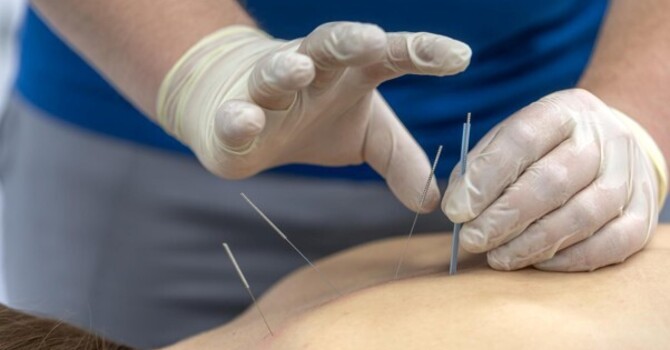
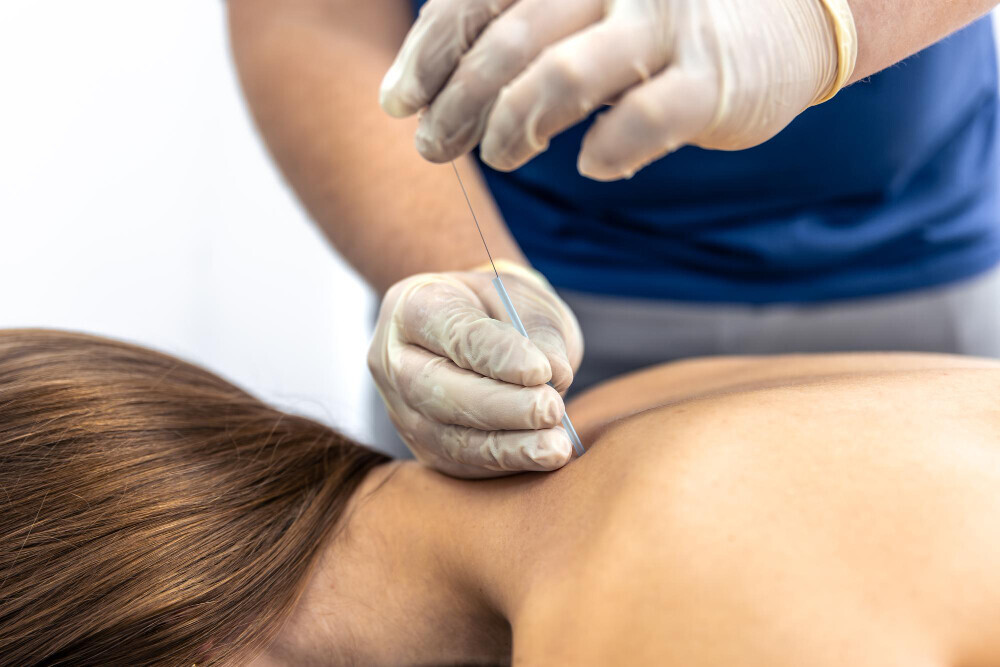
Neurofunctional Medical Acupuncture is a modern form of acupuncture practiced by healthcare professionals with advanced training in anatomy, physiology, and pain science. It involves inserting fine, sterile needles into specific muscles, nerves, and connective tissues to stimulate the nervous system.
The treatment aims to:
- Reduce pain naturally
- Improve muscle function
- Enhance blood circulation
- Relax tight muscles
- Promote tissue healing
- Improve mobility and flexibility
Unlike traditional acupuncture, Neurofunctional Medical Acupuncture focuses on scientific principles and neurophysiology rather than traditional energy pathways.
How Neurofunctional Medical Acupuncture Works
The treatment stimulates sensory nerves located within muscles and connective tissues. This stimulation sends signals to the brain and spinal cord, producing several positive responses throughout the body.
Some important physiological effects include:
- Release of endorphins (natural pain-relieving chemicals)
- Improved circulation around injured tissues
- Reduced inflammation
- Relaxation of muscle trigger points
- Better communication between muscles and nerves
- Improved movement patterns
These responses help decrease pain while encouraging the body's natural recovery process.
Benefits of Neurofunctional Medical Acupuncture
Many patients choose Neurofunctional Medical Acupuncture because it offers numerous benefits without surgery or long-term medication use.
Some major advantages include:
Natural Pain Relief
One of the biggest benefits is reducing pain through the body's own pain-control mechanisms.
Faster Recovery
Stimulating injured tissues may improve circulation, allowing nutrients and oxygen to reach damaged areas more efficiently.
Improved Mobility
Muscle tightness and stiffness often improve after treatment, making daily movement easier.
Reduced Muscle Tension
Needling can relax overactive muscles that contribute to headaches, neck pain, and back discomfort.
Better Athletic Performance
Athletes often use Neurofunctional Medical Acupuncture to recover from muscle strain, improve flexibility, and return to activity faster.
Drug-Free Treatment
It provides an alternative option for people looking to reduce reliance on pain medications.
Conditions That Neurofunctional Medical Acupuncture May Help
Healthcare providers frequently use Neurofunctional Medical Acupuncture for many musculoskeletal and neurological conditions.
Common examples include:
- Neck pain
- Lower back pain
- Shoulder pain
- Knee pain
- Hip pain
- Sciatica
- Tennis elbow
- Plantar fasciitis
- Muscle strains
- Tendon injuries
- Joint stiffness
- Sports injuries
- Myofascial pain syndrome
- Headaches related to muscle tension
Treatment plans vary depending on the individual's symptoms and clinical assessment.
What Happens During a Treatment Session?
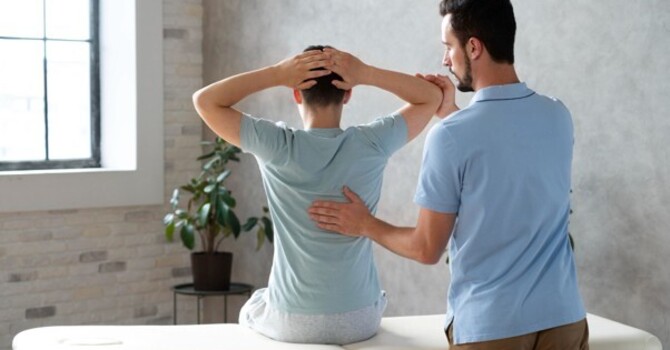
A typical Neurofunctional Medical Acupuncture appointment begins with a detailed assessment of your condition.
The healthcare provider may evaluate:
- Medical history
- Pain location
- Muscle strength
- Joint movement
- Functional limitations
After identifying the affected structures, thin sterile needles are inserted into carefully selected muscles or nerve-related points.
Most people experience:
- Mild tingling
- Muscle twitching
- A dull ache
- Gentle pressure
These sensations are generally temporary and often indicate that the targeted tissues are responding.
Sessions commonly last between 20 and 45 minutes depending on the treatment plan.
Is Neurofunctional Medical Acupuncture Painful?
The needles used in Neurofunctional Medical Acupuncture are extremely thin.
Many patients report very little discomfort. Some areas may produce a brief muscle twitch or dull aching sensation, but these feelings usually disappear quickly.
After treatment, mild soreness similar to post-exercise muscle fatigue may occur for a short period.
Who Can Benefit from Neurofunctional Medical Acupuncture?
Many individuals may benefit from this treatment, including:
- Office workers with postural pain
- Athletes recovering from injuries
- Older adults with joint stiffness
- Individuals with chronic muscle pain
- People experiencing repetitive strain injuries
- Patients undergoing rehabilitation after injury
Treatment recommendations are always based on an individual's health status and clinical evaluation.
Neurofunctional Medical Acupuncture and Rehabilitation
One reason Neurofunctional Medical Acupuncture has become increasingly popular is its ability to complement other rehabilitation therapies.
It is often combined with:
- Physiotherapy
- Therapeutic exercise
- Manual therapy
- Soft tissue mobilization
- Strength training
- Posture correction
- Stretching programs
Combining multiple evidence-based treatments often helps improve long-term recovery outcomes.
Scientific Principles Behind Neurofunctional Medical Acupuncture
Modern research suggests that needle stimulation activates several important biological mechanisms.
These include:
- Activation of pain-modulating pathways
- Increased production of endorphins
- Improved local blood flow
- Reduced muscle guarding
- Better nervous system regulation
- Enhanced healing responses
These physiological effects explain why many patients experience both immediate and long-term improvements.
Safety Considerations
When performed by a qualified healthcare professional, Neurofunctional Medical Acupuncture is generally considered safe.
Practitioners use:
- Sterile single-use needles
- Proper infection control procedures
- Detailed patient assessments
- Evidence-based treatment protocols
Some individuals may experience temporary soreness, slight bruising, or fatigue following treatment, but these effects are usually short-lived.
How Many Treatments Are Needed?
The number of sessions depends on several factors, including:
- Severity of symptoms
- Duration of the condition
- Overall health
- Individual response to treatment
- Rehabilitation goals
Acute injuries may respond within a few sessions, while chronic conditions often require a structured treatment plan combined with exercise and rehabilitation.
Tips to Maximize Results
Patients may improve outcomes by following their healthcare provider's recommendations.
Helpful habits include:
- Staying hydrated
- Remaining physically active
- Completing prescribed exercises
- Maintaining good posture
- Getting adequate sleep
- Avoiding activities that worsen symptoms
Consistency often plays an important role in long-term recovery.
Neurofunctional Medical Acupuncture vs Traditional Acupuncture
Although both approaches involve inserting thin needles, their philosophies differ.
Neurofunctional Medical Acupuncture is based on:
- Modern anatomy
- Neuroscience
- Clinical research
- Muscle and nerve function
- Evidence-informed rehabilitation
Traditional acupuncture focuses on concepts from traditional Chinese medicine involving energy pathways and balance within the body.
When to Consider Neurofunctional Medical Acupuncture
You may wish to discuss Neurofunctional Medical Acupuncture with a qualified healthcare provider if you experience:
- Persistent muscle pain
- Limited movement
- Sports-related injuries
- Chronic joint discomfort
- Muscle trigger points
- Recurrent tension headaches
- Ongoing rehabilitation needs
It may be considered as part of a comprehensive treatment approach tailored to your condition.
Final Thoughts
Neurofunctional Medical Acupuncture is an evidence-informed treatment that combines modern medical knowledge with precise needling techniques to help reduce pain, improve movement, and support the body's natural healing response. Whether used for chronic pain, sports injuries, muscle tension, or rehabilitation, this therapy focuses on restoring normal function through scientifically guided treatment methods.
When incorporated into a personalized rehabilitation plan that may include physiotherapy, exercise, and manual therapy, Neurofunctional Medical Acupuncture can play an important role in helping individuals move more comfortably and return to their daily activities with greater confidence.
Michael Barzo
Contact Me