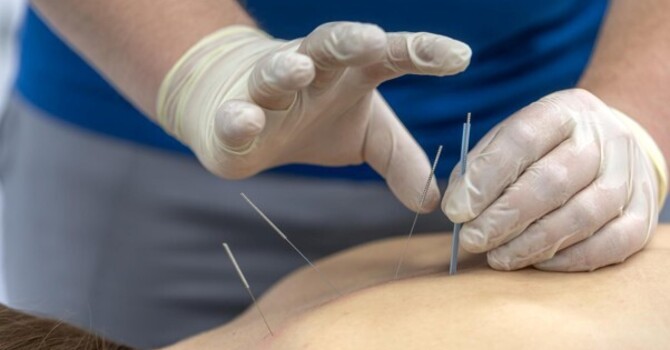
Pain And Muscular Treatments play an important role in helping people recover from injuries, reduce chronic discomfort, and improve overall physical function. Whether your pain is caused by poor posture, sports activities, repetitive work, or an accident, the right treatment approach can restore mobility and improve your quality of life. Living with muscle pain can affect every aspect of your daily routine, making even simple movements uncomfortable. Fortunately, modern Pain And Muscular Treatments focus on addressing the underlying cause of pain instead of simply masking the symptoms.
Muscular discomfort can range from mild soreness to severe, long-lasting pain. A personalized treatment plan helps reduce inflammation, improve flexibility, strengthen muscles, and promote long-term healing. Understanding the available treatment options is the first step toward a healthier and more active lifestyle.
Understanding Pain And Muscular Treatments
Pain And Muscular Treatments include a variety of therapeutic techniques designed to relieve muscle tension, improve joint function, and support the body's natural healing process. These treatments are commonly recommended for individuals experiencing muscle stiffness, chronic pain, sports injuries, workplace strain, or mobility limitations.
Rather than focusing only on temporary relief, these therapies aim to improve overall musculoskeletal health and prevent future discomfort.
Common Causes of Muscle Pain
Muscular pain can develop for many different reasons. Identifying the underlying cause allows healthcare professionals to recommend the most effective treatment.
Some of the most common causes include:
- Poor posture while sitting or standing
- Sports injuries
- Heavy lifting
- Repetitive movements
- Auto accident injuries
- Stress-related muscle tension
- Arthritis
- Joint dysfunction
- Muscle strains and sprains
- Lack of physical activity
Ignoring these problems may lead to worsening symptoms over time.
Symptoms That Should Not Be Ignored
Many people assume muscle pain will disappear on its own. However, persistent symptoms may indicate a condition requiring professional care.
Common symptoms include:
- Constant muscle soreness
- Limited range of motion
- Neck pain
- Back pain
- Shoulder stiffness
- Joint discomfort
- Muscle spasms
- Weakness
- Swelling
- Pain during movement
Early treatment often leads to faster recovery and better long-term outcomes.
Benefits of Pain And Muscular Treatments
One of the biggest advantages of Pain And Muscular Treatments is that they focus on restoring normal body function while reducing discomfort.
Some major benefits include:
- Reduced muscle tension
- Improved flexibility
- Better posture
- Increased mobility
- Faster recovery after injury
- Reduced inflammation
- Enhanced circulation
- Improved muscle strength
- Better joint movement
- Support for long-term pain management
Many patients notice gradual improvements in both comfort and daily performance after following a consistent treatment plan.
Common Treatment Techniques
Healthcare professionals often combine several therapies to achieve the best possible results.
Manual Therapy
Manual therapy involves hands-on techniques that help reduce muscle tightness, improve circulation, and restore joint mobility.
Soft Tissue Therapy
This treatment targets muscles, ligaments, and connective tissues to relieve tension and improve flexibility.
Stretching Programs
Guided stretching exercises improve flexibility while reducing muscle stiffness and preventing future injuries.
Therapeutic Exercise
Strengthening weak muscles helps improve body mechanics and supports long-term recovery.
Posture Correction
Poor posture contributes to chronic muscular pain. Correcting posture reduces stress on muscles and joints.
Heat and Cold Therapy
Heat helps relax tight muscles, while cold therapy reduces inflammation and swelling following injuries.
Who Can Benefit from Pain And Muscular Treatments?
Pain And Muscular Treatments are suitable for individuals of various ages and activity levels.
These treatments may help:
- Office workers
- Athletes
- Seniors
- Individuals recovering from surgery
- People with chronic pain
- Drivers
- Construction workers
- Students
- Fitness enthusiasts
- Individuals recovering from accidents
A customized treatment plan ensures that therapy is matched to each person's unique needs.
Managing Chronic Muscle Pain
Chronic pain often develops gradually and may continue for months if left untreated. Comprehensive Pain And Muscular Treatments can significantly improve daily function by addressing the root causes of discomfort.
Treatment plans may include:
- Muscle strengthening
- Mobility exercises
- Manual therapy
- Stretching routines
- Lifestyle modifications
- Posture improvement
- Activity recommendations
Consistency is often the key to successful long-term pain management.
Preventing Future Muscle Problems
While treatment is important, prevention also plays a major role in maintaining muscular health.
Helpful prevention strategies include:
- Maintaining proper posture
- Exercising regularly
- Stretching before physical activity
- Taking breaks during prolonged sitting
- Staying hydrated
- Sleeping in supportive positions
- Using proper lifting techniques
- Maintaining a healthy weight
Small daily habits can greatly reduce the risk of recurring muscular pain.
The Importance of Personalized Care
Every individual experiences pain differently. A personalized treatment plan considers factors such as medical history, lifestyle, physical condition, activity level, and treatment goals.
Healthcare providers typically perform a comprehensive assessment before recommending appropriate Pain And Muscular Treatments. This ensures therapy targets the source of pain rather than only the symptoms.
Customized care often results in better recovery, improved mobility, and longer-lasting relief.
Supporting Recovery Through Healthy Habits
Professional treatment works best when combined with healthy lifestyle choices.
Simple habits that support recovery include:
- Regular stretching
- Balanced nutrition
- Drinking enough water
- Adequate sleep
- Stress management
- Moderate physical activity
- Following prescribed home exercises
These healthy practices allow muscles to heal more efficiently and reduce the likelihood of recurring discomfort.
When to Seek Professional Help
Although occasional muscle soreness is normal after physical activity, ongoing pain should not be ignored.
Consider seeking professional evaluation if you experience:
- Pain lasting several weeks
- Difficulty walking
- Limited joint movement
- Severe muscle tightness
- Persistent swelling
- Numbness or tingling
- Pain interfering with daily activities
- Recurrent injuries
Early intervention often leads to more effective treatment and faster recovery.
Conclusion
Pain And Muscular Treatments provide an effective solution for individuals dealing with muscle pain, stiffness, limited mobility, or injury-related discomfort. By focusing on the underlying causes of pain, these treatments help restore movement, improve flexibility, reduce muscle tension, and support long-term wellness. Whether discomfort results from daily activities, sports injuries, poor posture, or chronic conditions, a personalized treatment approach can make a significant difference in recovery.
With the right combination of therapeutic techniques, exercise, posture correction, and healthy lifestyle habits, Pain And Muscular Treatments can help individuals return to their normal routines with greater comfort and confidence. Seeking timely care and maintaining consistent treatment can promote lasting relief and improve overall musculoskeletal health.
Michael Barzo
Contact Me